
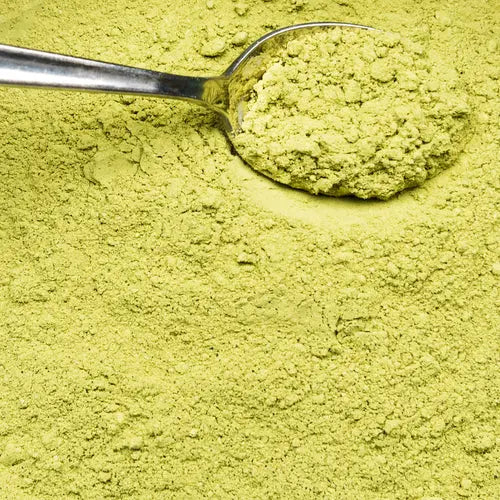
HENNA AND HAIR HEALTH: WHAT DERMATOLOGISTS AND STYLISTS SAY
Henna is much more than just a natural dye: its properties make it an ideal option for those looking not only for color, but also for benefits for hair and scalp health. Below, we explore the positive effects of henna, backed by experts, as well as some key recommendations for best results.
BENEFITS OF HENNA FOR HAIR AND SCALP
- Strengthens hair structure
Henna has a natural affinity for hair keratin, which allows it to adhere to hair cuticles without damaging them. This strengthens the hair fiber and reduces fragility, leaving hair more resistant to split ends and breakage. Some stylists consider it a natural alternative to keratin treatments because it coats the hair, leaving it with a soft and resistant texture.
- Antifungal and antibacterial properties
Henna is naturally antifungal and antibacterial, which can be especially beneficial for people with scalp problems, such as dandruff or mild infections. By reducing the growth of fungi and bacteria, henna helps keep the scalp clean and healthy.
- Sebum regulation and oil control
Henna is known for its ability to balance scalp pH and regulate sebum production. This is especially useful for people with oily hair, as it helps keep the scalp free of excess oil, allowing for a cleaner and fresher appearance for longer.
- Hydration and natural care without toxic ingredients
Henna is an excellent option for those looking to avoid common chemicals in many traditional dyes that can cause irritation or allergies in people with sensitive skin. Henna, being a natural product, moisturizes and adds shine without compromising hair health. In fact, some dermatologists recommend it for those with chemical sensitivity, as it reduces the risk of adverse reactions.
EXPERT OPINION: WHY DO THEY RECOMMEND HENNA?
Dermatologists often recommend henna for those with sensitive scalps or conditions like psoriasis or dermatitis, as it soothes irritation without causing adverse reactions. In addition, they emphasize that its regular application helps calm the scalp, reduce dandruff, and promote better hair health.
Stylists prefer henna for those looking for a long-lasting and nourishing option that also adds shine. Henna allows them to customize natural shades without resorting to harsh chemicals, and many see it as a way to care for hair long-term while achieving beautiful color.
RECOMMENDATIONS TO MAXIMIZE THE BENEFITS OF HENNA
- Combine it with other nourishing ingredients
To enhance its moisturizing capacity, many stylists suggest mixing henna with ingredients such as coconut oil, yogurt, or aloe vera, which nourish and condition the hair at the same time. We recommend mixing it with our henna softening balm.
- Application frequency
For those looking for healthier, stronger hair, dermatologists and stylists usually recommend monthly or bimonthly applications. Henna stays in the hair and provides long-lasting benefits, but applying it too frequently can make the color more intense than desired.
- Avoid chemicals after henna
After applying henna, it is advisable to avoid chemical treatments (such as bleaching or permanent dyes) for a few weeks. This helps keep hair healthy and avoid unwanted reactions between henna and other chemicals.
A HEALTHY ALTERNATIVE WITH GREAT BENEFITS
Henna is not just a tool to change hair color; it is a healthy option that strengthens, protects, and nourishes. For those looking for a natural way to care for their hair, henna is a recommended alternative by both dermatologists and stylists. In addition to its ability to beautify, henna offers deep and risk-free hair care, making it a reliable and long-lasting option for healthier and more radiant hair.


Leave a comment
This site is protected by hCaptcha and the hCaptcha Privacy Policy and Terms of Service apply.